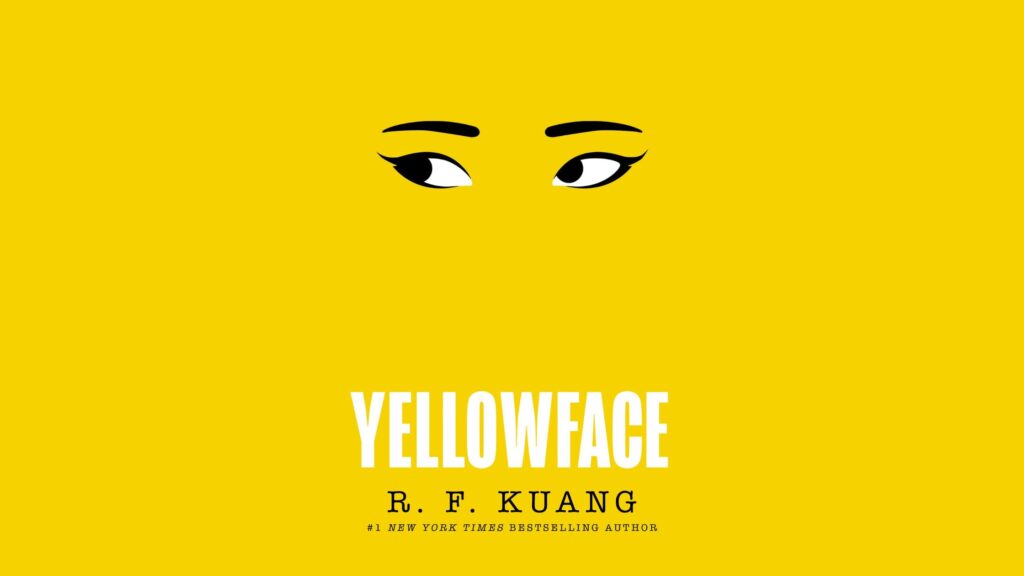
Yellowface made me think about how truth works on social media. Online, the truth can start to feel like a changing variable rather than something fixed. A story can be reframed, another detail can appear, someone can post a screenshot, another person can tell “their side,” and suddenly people begin questioning what they thought they knew.
And maybe that is why June’s lies never really end. Every time she is exposed, she doesn’t need to prove that she is completely innocent. She only needs to introduce enough doubt.
But June is not doing this alone. There is an audience keeping the cycle alive.
We love choosing sides. We argue, defend, cancel, investigate, change our minds, and then wait for the next revelation. The controversy itself becomes entertainment. And as long as people are watching, commenting and sharing, there is always space for another version of the story.
That was one of the most fascinating things about Yellowface for me: Who owns the truth when everyone has the power to tell the story?
Maybe on social media, the person who controls the narrative—even temporarily—can sometimes become more powerful than the person who actually knows what happened.